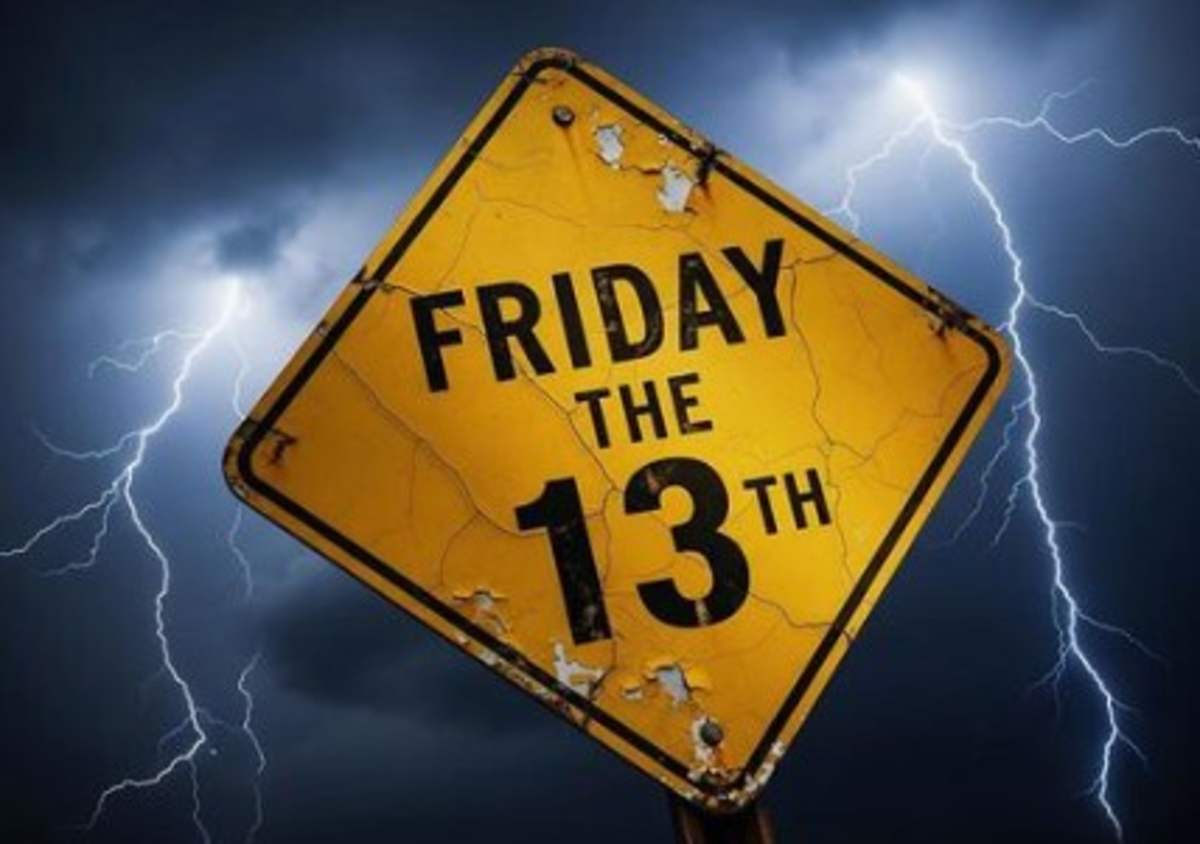
Friday the thirteenth feels older than it is.
It feels carved into stone, whispered across centuries, passed down as a warning rather than information. People lower their expectations. They postpone travel. They glance at the calendar with suspicion.
But dates do not carry misfortune.
Stories do.
The number thirteen unsettles systems that prefer order. Twelve is tidy. Twelve months. Twelve hours. Twelve disciples. Twelve feels complete.
Thirteen disrupts the pattern.
In Norse mythology, twelve gods gathered for a feast in Valhalla. Loki arrived uninvited as the thirteenth guest. His presence led to deception and death. The number was not cursed. It marked the moment harmony fractured.

In Christian tradition, thirteen sat at the Last Supper. Judas is often named the thirteenth. The following day was Friday, the day of the crucifixion. Betrayal and suffering were attached to the number and the day of the week. Over time, repetition hardens into symbolism.
But the pairing of Friday and the thirteenth did not solidify into cultural dread until much later.
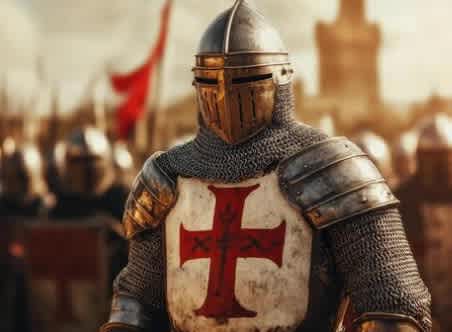
On October 13, 1307, King Philip IV of France ordered the arrest of the Knights Templar. The Templars were powerful and wealthy. Philip was deeply in debt to them. Accusations of heresy and corruption followed. Confessions were extracted through torture. Many were executed.
The event was political. Financial. Strategic.
Yet the date endured in memory.
The Templars became legendary. Secret rites. Hidden treasures. Forbidden knowledge. The story grew as the facts faded.
What began as a calculated consolidation of power transformed into myth.
This is how cultural fear forms. Threads from different eras weave together until the fabric feels seamless. A disruptive number. A day associated with suffering. A royal purge cloaked in religious accusation.
Eventually, the calendar square becomes the villain.
By the modern era, buildings quietly removed the thirteenth floor. Airlines skipped the row. Horror films cemented the association. Each repetition strengthened the illusion of inevitability.
But Friday the thirteenth is not supernatural.
It is narrative compression.
Instead of examining institutional betrayal or political manipulation, we attach unease to a date. It is easier to fear a number than to question power.
The myth persists because it feels ancient.
The truth is less mystical and more revealing.
Friday the thirteenth is not cursed.
It is remembered.
And memory, when simplified into superstition, becomes safer than history.
The real question is not whether the date is unlucky.
The real question is why we prefer the myth to the motive.